Have you ever noticed how a small change inside a plant can create a big impact on cost, safety, and daily operations? Many plant owners focus on machines and fuel, but they often overlook insulation. That single decision silently affects energy bills, worker comfort, and equipment life every day. When heat escapes or cold surfaces sweat, money and performance slip away. That is where professional insulation changes everything.
Understanding Hot and Cold Insulation in Industrial Plants
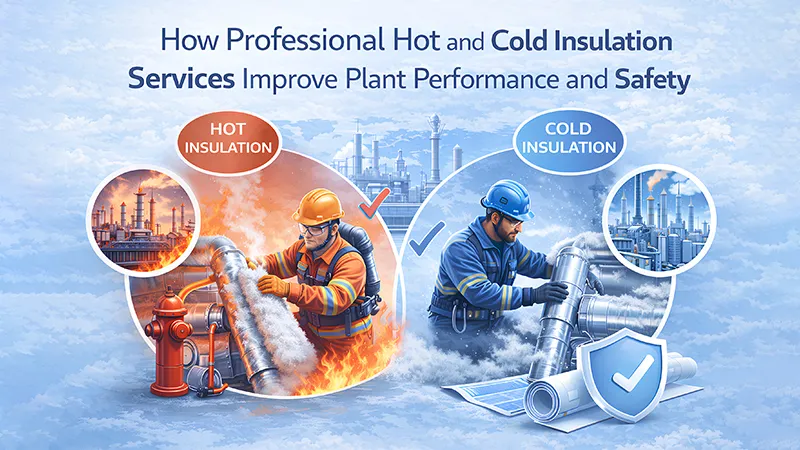
Industrial plants deal with extreme temperatures every day. Some lines carry steam or hot fluids. Others handle chilled water or cold gases. Both conditions create energy loss and safety risks if left untreated. Hot insulation reduces heat loss from surfaces like boilers, pipelines, and reactors. Cold insulation controls condensation, prevents energy gain, and keeps temperatures stable in chilled systems.
When insulation is done right, you get steady temperatures, lower energy use, and better control over the process. When it is done poorly, you face heat loss, corrosion, wet surfaces, and unsafe work zones. This is why many industries now depend on Industrial Insulation Solutions instead of temporary fixes. Professional teams study your plant layout, operating temperature, and surface conditions before choosing materials and methods. That planning makes insulation part of your production system, not just a cover around pipes.
Why Insulation Plays a Direct Role in Plant Performance
Every unit of energy saved improves plant efficiency. Insulation keeps heat where it belongs and blocks unwanted heat where it does not. That simple role delivers real business results.
First, your equipment reaches working temperature faster and stays stable longer. That reduces fuel use and improves output consistency. Second, your cooling systems work less because cold lines stay cold. Third, your operators work in a more comfortable environment, which supports better focus and fewer mistakes.
Plants that invest in Energy Saving Insulation Services often notice reduced operating costs within a short time. Over a year, the savings become easy to measure. Over many years, the impact becomes part of your profit structure.
How Hot Insulation Improves Safety and Reliability
Hot surfaces create one of the most common risks inside a plant. Burns, heat stress, and accidental contact injuries happen when surfaces stay exposed. Hot insulation covers those surfaces and reduces surface temperature to safer levels. It also protects the equipment itself. When heat escapes, metal parts face uneven expansion and contraction. That stress shortens equipment life. Proper insulation keeps temperature balanced and reduces thermal shock during start and stop cycles. This is why Thermal Insulation Contractors focus not only on heat retention but also on surface safety. A well-insulated system feels cooler to touch, looks cleaner, and stays stable for longer periods.
How Cold Insulation Protects Systems and Buildings
Cold insulation solves a different but equally serious problem. When cold lines stay uninsulated or poorly insulated, moisture from air settles on the surface. That water leads to corrosion, slippery floors, and damage to nearby structures. Good cold insulation blocks moisture and keeps surface temperature above the dew point. It also prevents energy gain, so chillers and cooling units work less. This improves both equipment life and power consumption. Industries that use Hot and Cold Insulation Services in India from experienced providers often notice cleaner floors, lower maintenance, and more stable cooling performance.
The Link Between Insulation and Energy Cost Control
Energy costs rarely stay flat. They move up every year. Insulation is one of the few upgrades that keeps saving money without changing how your plant works. When heat loss drops, fuel use drops. When cooling loss drops, power use drops. That saving repeats every hour, every day. Over time, insulation pays for itself many times over. This is the reason modern plants include insulation as part of their Plant Safety and Performance Improvement plan, not as an afterthought.
Where Professional Planning Makes the Difference
Insulation is not just about wrapping material around a pipe. Each area of the plant has different needs. High-temperature lines, low-temperature lines, outdoor exposure, indoor humidity, and space limits all change the design.
Professional teams check:
- Operating temperature range
- Surface material and shape
- Environmental conditions
- Maintenance access needs
- Safety requirements
This approach turns insulation into a system that works with your plant, not against it. It also avoids common issues like insulation damage, water entry, or early failure.
Common Areas That Need Insulation in a Plant
Most plants have several critical zones that benefit from insulation:
- Boilers and steam lines
- Hot water and thermal oil pipelines
- Chilled water and refrigeration lines
- Reactors, vessels, and storage tanks
- Exhaust ducts and process lines
Each of these areas supports production. Each also carries energy and safety risks without proper insulation. That is why Industrial Insulation Solutions always start with a full site review.
The Role of Materials in Long-Term Performance
Not all insulation materials behave the same way. Some handle high heat better. Some resist moisture better. Some last longer in outdoor conditions. A professional provider selects materials based on temperature, exposure, and mechanical stress. This prevents early breakdown and keeps performance steady for years. The right material choice also keeps maintenance simple. You do not want to open and replace insulation again and again. You want a solution that stays reliable.
How Insulation Improves Work Environment
A hot, noisy, and uncomfortable plant affects people. Insulation reduces surface heat and often reduces noise from flowing fluids and machinery. That change improves comfort and focus. It also lowers the risk of heat-related fatigue and mistakes. A better work environment supports better productivity without changing your workforce or schedule. This is another quiet benefit of Energy Saving Insulation Services that many managers only notice after the upgrade is done.
Compliance and Safety Standards
Many industries must follow safety and energy guidelines. Insulation helps meet these requirements in a practical way. Covered surfaces reduce accident risk. Controlled temperatures improve system stability. Reduced energy loss supports sustainability goals. Professional Thermal Insulation Contractors understand these standards and design systems that match them from the start.
Long-Term Impact on Maintenance and Equipment Life
When systems stay at stable temperature, stress on metal parts drops. Gaskets last longer. Welds face less movement. Supports stay aligned. Cold insulation also prevents corrosion under insulation by controlling moisture. This helps safeguard both the equipment and the building itself. Over years, these small protections add up to fewer shutdowns and fewer surprise repairs.
Why Many Plants Choose Professional Services Instead of In-Housework
In-house teams often focus on speed and cost. That is understandable. But insulation mistakes stay hidden until they cause damage. Professional teams bring experience, planning, and tested methods. They also bring proper finishing and protection layers that keep insulation working in real conditions. This is why more industries now depend on Hot and Cold Insulation Services in India from specialists instead of treating it as a minor job.
How Sterling Engineers & Boilers Pvt. Ltd. Approaches Insulation Projects
Sterling Engineers & Boilers Pvt. Ltd. works with a clear process. First, the team studies your plant. Then they design the insulation plan. After that, trained workers execute it with proper materials and finishing. Finally, the system gets checked for performance and safety. This approach keeps the project focused on results, not just installation. It also means your insulation works as part of your production system. Over time, Sterling Engineers and Boilers Pvt. Ltd. has built a strong reputation for reliable work and consistent quality. has supported many industries with reliable Industrial Insulation Solutions that focus on safety, savings, and long-term performance.
Why Choose Us
Choosing Sterling Engineers & Boilers Pvt. Ltd. means choosing experience, clarity, and responsibility. The company focuses on understanding your plant before suggesting any solution. Each project gets proper planning, material selection, and skilled execution. The team respects safety, timelines, and site conditions. Instead of offering standard packages, Sterling Engineers & Boilers Pvt. Ltd. delivers solutions that match real operating needs. This approach helps your plant save energy, improve safety, and reduce long-term maintenance without disturbing daily operations.
Conclusion
Professional insulation is not just a support service. It is a performance tool. When done right, it improves safety, controls energy use, protects equipment, and creates a better work environment. Hot insulation and cold insulation both play a direct role in how stable and efficient your plant runs. With the right planning and the right partner, insulation becomes a long-term asset instead of a hidden cost. Sterling Engineers & Boilers Pvt. Ltd. brings that long-term view to every project and helps plants build systems that work better every day.
Want to improve safety, reduce energy loss, and upgrade your plant performance? Call +91-968-901-1211 or email sterlingboiler@gmail.com to discuss professional insulation solutions for your facility today.
Key Takeaways
- Insulation directly improves plant efficiency and safety.
- Hot and cold insulation solve different but equally serious problems.
- Professional planning increases system life and reduces maintenance.
- Energy savings from insulation continue year after year.
- The right partner makes insulation a long-term business benefit.