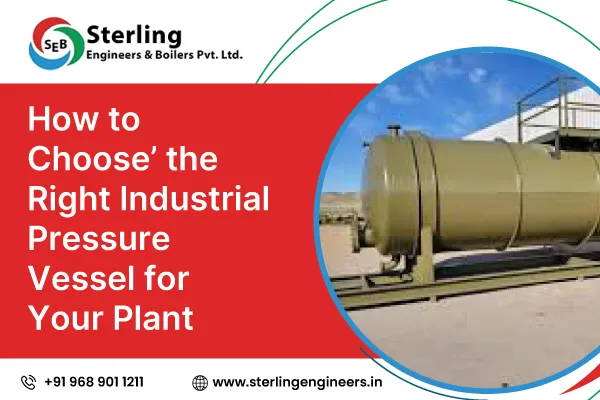
Choosing the right industrial pressure vessel is one of the most important decisions for any processing plant. Whether you operate in chemicals, food processing, oil and gas, pharmaceuticals, water treatment, or heavy manufacturing, the pressure vessel you select has a direct impact on safety, productivity, product quality, and operational lifespan. A correctly engineered vessel supports efficient processing, stable performance, and long-term plant reliability.
Industrial pressure vessels are used to store, process, heat, cool, and transport gases, liquids, and chemicals under pressure. Because these vessels operate under complex conditions, selecting the right one requires deeper understanding, technical knowledge, and guidance from an expert Pressure Vessel Manufacturer. Every plant has unique needs, so the vessel must be chosen based on application, design standards, material selection, safety codes, and long-term performance expectations.
Introduction: Why Your Pressure Vessel Choice Matters
A pressure vessel operates under high stress. It holds materials that may be hazardous, corrosive, reactive, or sensitive to temperature or pressure variations. This means even a small mistake in design, material selection, or construction can result in system failures, product contamination, material wastage, downtime, or safety hazards.
This is why industries prefer to work with a professional Pressure Vessel Manufacturer who understands engineering standards, safety codes, operational demands, and structural requirements. A well-designed pressure vessel supports production stability and safe operations.
The decision becomes even more important for plants looking to increase production efficiency, reduce maintenance costs, and achieve long-term operational stability. Selecting the wrong vessel can lead to:
- Higher maintenance
- Quality inconsistencies
- Frequent breakdowns
- Safety concerns
- Reduced equipment lifespan
Understanding Industrial Pressure Vessels
Industrial pressure vessels are engineered containers designed to hold gases, liquids, steam, chemicals, or mixtures under pressure that are different from atmospheric pressure. These vessels support various plant activities including:
- Storage
- Mixing
- Heating
- Cooling
- Processing
- Chemical reaction
- Fermentation
Key Factors to Consider When Choosing the Right Pressure Vessel
Selecting the right vessel requires evaluating specific engineering, operational, and safety parameters. Below are the most important factors:
1. Material Selection
Material selection affects longevity, strength, corrosion resistance, and suitability for different operations. Common materials include:
- Stainless Steel (SS): Preferred for food, dairy, pharmaceuticals, and chemical plants because it offers great corrosion resistance and hygiene.
- Carbon Steel: A cost-effective choice for many industrial applications, especially where temperature variations are present.
- Alloy Steel: Used for high-temperature or high-pressure applications.
- Cladded Steel: Used when internal corrosion protection is required while keeping structural cost low.
A skilled Pressure Vessel Manufacturer helps select the right material based on your plant’s requirements.
2. Application and Process Requirements
Every pressure vessel must match the purpose it serves. Before selecting, consider:
- Operating pressure
- Temperature range
- Type of liquid or gas stored
- Whether heating or cooling is required
- Whether mixing or agitation is needed
- Safety standards
- Environmental conditions
3. Pressure and Temperature Ratings
Pressure vessels are designed according to specific internal and external pressure requirements. Temperature also affects vessel performance because materials expand or contract with temperature changes.
You must select a vessel that can handle:
- Maximum operating pressure
- Design pressure
- Working temperature levels
- Thermal load conditions
4. Size, Shape, and Capacity Requirements
Pressure vessels come in various shapes such as:
- Cylindrical
- Spherical
- Vertical
- Horizontal
5. Corrosion Resistance
Many industries handle corrosive materials such as acids, solvents, and chemicals. Corrosion can damage vessel walls and reduce strength. Stainless steel or coated steel vessels are preferred in such cases.
A reliable Pressure Vessel Manufacturer recommends materials based on chemical compatibility.
6. Safety Features and Compliance
Pressure vessels must follow strict engineering and safety codes. Some of the important features include:
- Pressure relief valves
- High-quality welding
- Proper thickness
- Leak-proof construction
- Certified fabrication standards
7. Customization Options
Different plants need different vessel configurations. Customization supports better performance and workflow efficiency. Plants may require:
- Nozzles
- Manholes
- Agitators
- Heating coils
- Cooling jackets
- Insulation
- Sensors
8. Maintenance and Life Expectancy
Choose a vessel that lasts long and doesn’t require frequent maintenance. Stainless steel generally lasts longer due to its natural resistance to corrosion and structural strength.
Selecting the right material and manufacturer significantly increases vessel lifespan.
Industry Applications for Pressure Vessels
Pressure vessels are used widely across industries such as:
- Oil and gas
- Chemical processing
- Petrochemicals
- Pharmaceuticals
- Food and beverages
- Water treatment
- Paper and pulp
- Power generation
Why Choose Us
Sterling Engineers & Boilers Pvt. Ltd. has built a strong reputation for precision engineering and reliable industrial solutions. As a trusted Pressure Vessel Manufacturer, our company offers advanced fabrication, strong material selection, and high-performance vessel design. Over the years, Sterling Engineers & Boilers Pvt. Ltd. has delivered robust pressure vessels used across various industries. Clients appreciate our ability to create customized vessels that match real industrial requirements. At Sterling Engineers & Boilers Pvt. Ltd., every vessel is crafted with engineering clarity and manufacturing accuracy. This dedication has made Sterling Engineers & Boilers Pvt. Ltd. a preferred partner for industries that seek reliability and long-term value in pressure vessel solutions.
Conclusion
Choosing the right industrial pressure vessel is essential for safe, stable, and efficient plant operations. From material selection to capacity, pressure ratings, and design standards, plants must evaluate every factor before finalizing a vessel. Working with an experienced Pressure Vessel Manufacturer offers the advantage of technical guidance, long-term durability, and a vessel that matches your industrial process. A well-crafted vessel supports production quality, reduces downtime, and increases equipment life. Industrial plants that prioritize quality and engineering accuracy gain better results from their pressure vessel investment, making the right selection an important long-term decision.
For more guidance on industrial pressure vessel, call +91-968-901-1211 or email sterlingboiler@gmail.com.