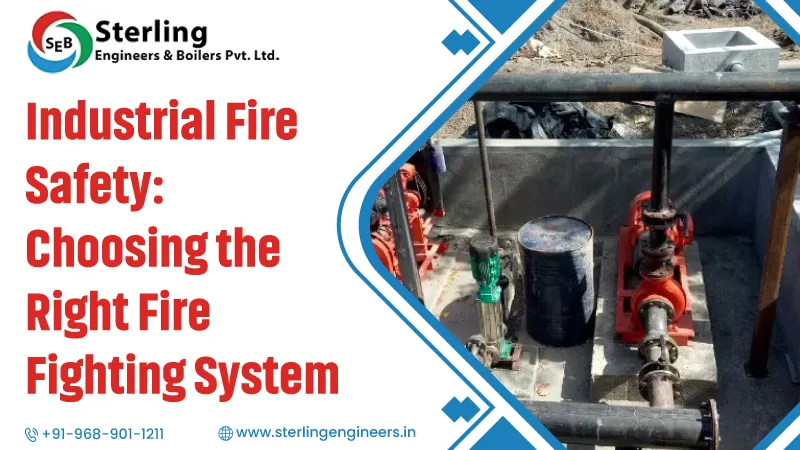
Industrial fire safety has become one of the most critical priorities for manufacturing units, factories, warehouses, processing plants, and large-scale industrial environments. As industries continue to grow in complexity and size, the potential risks associated with fire grow as well. A single fire incident can disrupt operations, damage property, risk lives, and impact the long-term sustainability of an organization. This is why investing in the right firefighting system is more than a regulatory requirement—it is a strategic step toward maintaining operational stability and safeguarding your industrial environment.
In every industrial facility, fire hazards exist in different forms, whether through machinery, high temperatures, process-related heat, electrical networks, flammable substances, or storage of materials. To prevent uncontrolled fire outbreaks, industries must adopt structured fire safety planning supported by reliable and effective Industrial Fire Protection Systems. A well-designed system not only minimizes fire risks but also plays a significant role in interrupting fire progression and limiting damage. It also brings overall discipline to fire safety management, allowing industries to operate without fear of sudden fire-based disruptions.
Industrial Fire Safety and Its Impact on Operations
Industrial fire safety has a direct impact on productivity, workforce protection, and asset preservation. A fire outbreak does not only cause physical destruction; it can also lead to:
- Long-term shutdown of critical systems
- Damage to raw materials and finished goods
- Loss of machinery and structural infrastructure
- Increased insurance-related challenges
- Legal and compliance complications
- Major financial consequences
- Reputational damage that affects customer trust
How Fire Safety Supports Industrial Growth
Fire safety is deeply connected to industrial development and expansion. As industries scale, new structures, additional machinery, expanded storage areas, and increased workforce participation bring new fire-related challenges. A reliable firefighting system contributes in several ways:
- Protects Industrial Investments: Setting up or expanding into an industrial facility requires substantial investment. A fire can damage assets worth crores within minutes. A strong firefighting system helps maintain financial security.
- Maintains Production Stability: Unplanned shutdowns caused by fire can derail production schedules, delay deliveries, and disrupt supply chains. A safety-focused system reduces these interruptions.
- Strengthens Employee Confidence: When employees are confident that their workplace is safe, overall productivity and morale increase. Fire safety is a critical part of a positive workplace culture.
- Supports Compliance: Industrial bodies, authorities, and insurance companies expect industries to follow strict fire safety norms. A dependable system protects industries from legal and compliance issues.
- Reduces Long-term Operational Costs: Fire incidents lead to financial losses, repairs, insurance claims, and downtime. Investing in proper fire safety reduces these long-term burdens and supports stable growth.
Choosing the Right Fire Fighting System
Choosing a firefighting system is not guesswork. You have to understand how your industry works and what can go wrong. Every place is different, so one solution doesn’t fit all. You need a system that matches your space, your processes, and your risks. Good engineering, planning, and installation matter here.
- Know Your Industrial Space: Start by looking at your workspace. Check the layout, daily operations, materials you use, heat levels, and how your machines run. A plant that works with high heat will need a different setup than a cold storage unit. It’s simple: know what you have before deciding what you need.
- Find the High-Risk Areas: Some areas in industrial space are more likely to catch fire. These include machine zones, electrical rooms, storage sections, and places where fuel or chemicals are kept. Your system should focus on these spots first.
- Pick a System That Fits Your Workflow: Your firefighting system should not interrupt your daily work. It should fit into your process, not get in the way. It has to support your equipment, production timing, and how people move around the facility.
- Keep Your Workers Safe: A good system helps people act fast. It should make evacuation simple, alert workers early, and show clear warning signals. Alarms, signs, and safe paths matter because people need to move out without confusion.
- Use Smart Technology When Needed: Modern industries use tech for quick detection and faster response. Smart tools can send alerts, track system performance, and activate automatically when needed. This helps spot problems before they grow.
- Focus on Maintenance and Reliability: A firefighting system must work when you need it. If it fails once, the damage can be huge. This is why regular checks, tests, and basic upkeep are important. And it’s better when the work is handled by trained teams. Dependable Industrial Fire Protection Systems installed and maintained by professionals like Sterling Engineers & Boilers Pvt. Ltd. make the whole setup more reliable.
Fire Safety Culture in Industrial Spaces
A firefighting system alone cannot protect industry. A strong fire safety culture must be developed among employees and management teams. This includes:
- Clear safety policies
- Regular fire safety training
- Emergency evacuation drills
- Equipment handling awareness
- Safety signage across the facility
- Strict adherence to operating procedures
Why Choose Us
Choosing Sterling Engineers & Boilers Pvt. Ltd. means choosing expertise, reliability, and a strong commitment to industrial safety. Our approach focuses on understanding your operations deeply so we can recommend the most effective fire safety solutions for your facility. We bring years of hands-on industrial experience supported by advanced engineering knowledge. Our team works with precision, professionalism, and dedication, providing systems that support operational stability and long-term protection. We focus on quality, performance, and timely execution, making us a trusted partner for industries looking to strengthen their fire safety infrastructure.
Conclusion
Industrial fire safety is not just a mandatory requirement—it is a foundation for stable and sustainable operations. A dependable firefighting system protects people, machinery, structures, and long-term business continuity. With increasing industrial complexity, every facility must adopt powerful and reliable Industrial Fire Protection Systems designed to match their unique environments. Partnering with experts like Sterling Engineers & Boilers Pvt. Ltd. gives industries the confidence to operate without fear of unexpected fire hazards. By adopting strategic fire safety planning and a professionally installed system, industries strengthen their operational resilience and protect their future growth.
For expert guidance on Industrial Fire Protection Systems, call +91-968-901-1211 or email sterlingboiler@gmail.com
Key Takeaways
- Industrial fire safety is a strategic requirement that protects employees, assets, production continuity, and long-term business growth.
- Selecting the right firefighting system depends on operational needs, risk zones, industrial layout, and expert evaluation.
- Strong Industrial Fire Protection Systems improve workplace confidence, reduce downtime, and support compliance with industrial safety standards.
- A powerful fire safety culture—through training, drills, clear procedures, and hazard awareness—greatly increases system effectiveness.
- Partnering with professionals like Sterling Engineers & Boilers Pvt. Ltd. provides industry-specific guidance, proper installation, and long-term reliability.