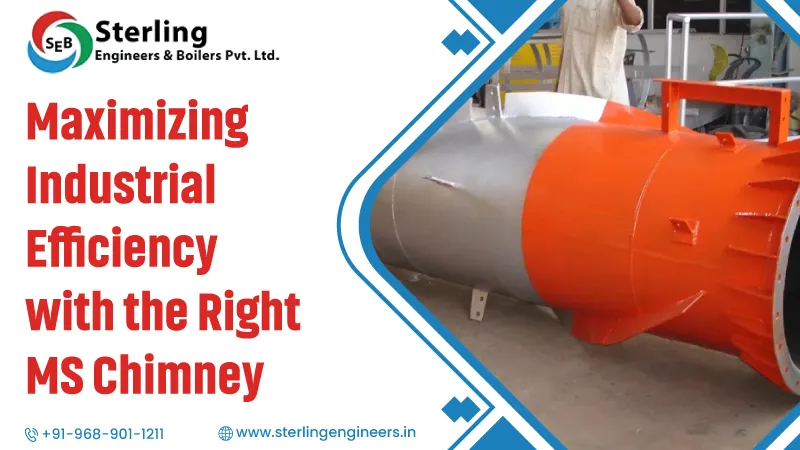
Industrial plants work with heat, fuel, and continuous processes. For many industries, an MS chimney is not just a support structure. It plays a direct role in safe operations, heat management, and clean discharge. Choosing the right MS chimney helps industries maintain steady performance and control how gases move out of the system. And when a chimney is built well, sized right, and installed properly, the entire plant runs better. The right choice improves airflow, supports equipment life, and helps the plant stay stable during long production cycles.
Industries need MS chimneys because they help move flue gases out of boilers, furnaces, heaters, and similar systems. A chimney that is too short, too thin, or poorly designed can cause back-pressure, heat buildup, or inconsistent draft. These issues slow down the process and can affect fuel use. This is why it is important to work with Industrial MS Chimney Manufacturers who understand real industrial needs and know how to design a chimney that supports the performance of the system.
Why MS Chimneys Are Important for Industrial Efficiency
Industrial efficiency depends on how well hot gases and combustion byproducts exit the system. When discharge is smooth, the internal system stays stable. When discharge is blocked or slowed, the system becomes stressed and can lose output.
Here are the ways an MS chimney directly supports efficiency:
- Stable Draft: A proper draft helps boilers, furnaces, and heaters maintain steady combustion. An MS chimney with correct height and diameter supports stable draft without sudden drops or increases. When draft remains stable, fuel burns more consistently, lowering wastage.
- Heat Control: Industrial equipment releases heat continuously. An MS chimney moves excess heat out of the working area. This helps prevent internal heat buildup and reduces stress on machines.
- Smooth Discharge of Gases: A chimney supports controlled discharge of flue gases. When gases move out smoothly, it reduces back-pressure and prevents strain on the system.
- Longer Equipment Life: Uncontrolled heat and poor discharge can damage internal components. A proper MS chimney protects systems and increases the lifespan of equipment.
- Better Fuel Performance: When draft is balanced, fuel burns better. This helps reduce unnecessary fuel use and supports more efficient operations.
Technical Features That Matter in an MS Chimney
An MS chimney is simple when you look at it from outside. But the structure has many parts that must be calculated correctly to help the system work smoothly.
- Material Thickness: The plate thickness depends on the height of the chimney, the internal temperature, and the pressure it must handle. Thinner plates reduce the life of the chimney. Plates that are too thick increase cost without need. A balanced calculation supports strength and reliability.
- Height of the Chimney: Height plays a major role in creating natural drafts. Taller chimneys help gases move faster and support cleaner discharge. The height is based on the equipment rating, gas temperature, and layout of the plant.
- Diameter and Internal Clearance: Diameter affects gas flow. If it is too narrow, pressure increases. If it is too wide, the velocity slows down. A proper calculation is important to maintain smooth movement of flue gases.
- Base and Foundation: A chimney requires a stable base because it carries its own weight along with wind load. A strong foundation prevents tilt, vibration, and long-term stress.
- Welding and Fabrication Quality: Welds must be smooth and strong. Any gap or weak weld can lead to leakage or structural failure. Fabrication quality also affects the straightness of the chimney.
- Wind Load and Structural Stability: Tall chimneys face strong wind pressure. The structure must balance height and weight, so it stays stable through wind load and movement. This is an important area where Industrial MS Chimney Manufacturers focus on design accuracy.
- Support Frames and Guy Wires: For chimneys above certain heights, support frames or guy wires keep the structure stable. They reduce vibration and keep the chimney firm in changing weather conditions.
- Surface Coating and Protection: Chimneys face heat inside and weather outside. Protective coating helps reduce rust, corrosion, and long-term damage. A good coating increases the chimney’s life.
How the Right MS Chimney Improves Industrial Operations
Industries depend on steady running systems. An MS chimney plays a quiet but important role. When it is built right, the entire plant feels the difference.
- Supports Continuous Production: When draft is stable, the system runs smoothly, and production stays consistent.
- Reduces System Overload: Good gas movement prevents pressure buildup. This reduces stress on boilers, furnaces, and ducts.
- Helps Maintain Temperature Balance: Controlled exhaust helps regulate heat inside the system. This helps avoid overheating.
- Improves Air Quality Around the Facility: Proper discharge of flue gases helps maintain cleaner surroundings, especially in dense industrial areas.
- Supports Smooth Equipment Operation: Internal parts work better when gas flow is controlled. This also helps reduce unplanned shutdowns.
- Controls Noise and Vibration: A chimney with the right support vibrates less and causes fewer disturbances in the facility.
Factors to Consider While Selecting an MS Chimney
Choosing an MS chimney is not about guessing or copying another plant's model. Every industry is different.
Here are key factors industries should look at:
- Temperature of flue gases
- Load of equipment
- Height availability
- Local weather and wind conditions
- Required draft strength
- Space available for installation
- Material grade needed
- Foundation strength
- Maintenance needs
Why Choose Us
Choosing Sterling Engineers & Boilers Pvt. Ltd. means working with a team that has real hands-on experience in industrial MS chimney design, fabrication, and installation. We study your plant, your heat load, and how your system works before deciding what chimney fits your needs. Our chimneys are built with proper material grades, correct plate thickness, stable foundations, and reliable welding methods. We focus on accuracy, long service life, and practical performance. This approach helps industries run smoother and avoid problems caused by weak design or poor fabrication. Many plants trust us because we keep the work simple, clear, and dependable.
Conclusion
An MS chimney plays a big role in industrial performance. When a chimney is the right size, height, thickness, and design, the plant runs better and the system stays stable. A chimney built without proper calculations can reduce output, increase fuel use, and shorten equipment life. This is why working with expert Industrial MS Chimney Manufacturers matters. They understand the technical requirements and build a chimney that supports long-term performance. Sterling Engineers & Boilers Pvt. Ltd. provides MS chimneys made for real industrial conditions and helps plants improve their daily operations with reliable structure and steady discharge.
For guidance on MS chimney for your industry, call +91-968-901-1211 or email sterlingboiler@gmail.com
Key Takeaways
- The right MS chimney helps industrial systems run smoother by supporting steady draft and clean gas movement.
- Chimney height, material thickness, and diameter directly affect performance and safety.
- Good fabrication and strong welding help the chimney last longer under heat and weather.
- Proper discharge of flue gases protects equipment and improves fuel use.
- Working with expert Industrial MS Chimney Manufacturers like Sterling Engineers & Boilers Pvt. Ltd. helps industries get a chimney that fits their real operating needs.